






We currently live in a digital-first world – meaning customers expect real-time, personalized support delivered through the channels they use every day. Salesforce Digital Engagement helps make that possible. It’s an add-on for Service Cloud that enables businesses to connect with customers via messaging apps, SMS, live chat, and social media – all within the same console. After all, it’s essential to support your customers through their chosen communication methods.
In this article, we’ll explore what Digital Engagement is, which channels it supports, and how it works under the hood.
How Does Digital Engagement Work?
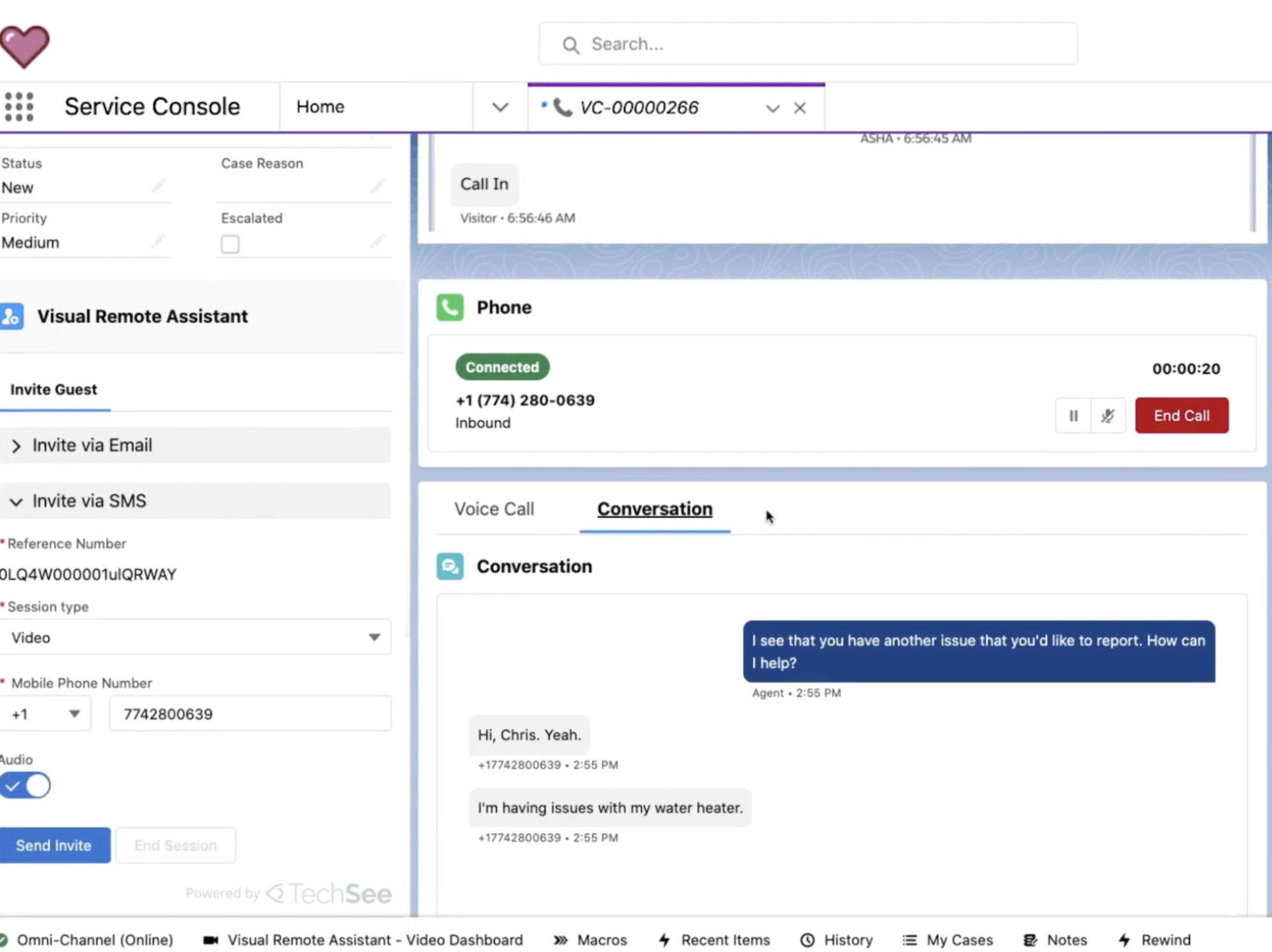
Digital Engagement allows your service/support team to connect with customers on the platforms they use every day – like WhatsApp, SMS, and Facebook Messenger – all without leaving the platform. When a message is sent to the company, it is forwarded to Salesforce to be routed accordingly, so digital conversations are collected into a single workspace and are sure to reach the right agents, often through Omni-Channel.

The best part is that every interaction is properly logged and consistent – and can even be easily referenced later on.
How Much Does Digital Engagement Cost?
Digital Engagement is an add-on product that comes at an additional cost. It is sold as an add-on to Service Cloud, and pricing can vary based on your Service Cloud edition. Some editions already include Digital Engagement right out of the box.
Pricing models can differ by region, so to get an accurate quote tailored to your business needs, it’s always best to consult with your Account Executive or review the latest pricing documentation, which also outlines its inclusions and considerations. Each user who needs access requires an individual license, as pricing is based on a per-user model.
Digital Engagement Channel Behaviour
When using Digital Engagement, it’s important to understand how message routing and agent availability can vary by channel.
- SMS, WhatsApp, and Facebook Messenger: Customers can send messages at any time. These messages are queued within Salesforce and routed to agents as they become available. Agents then accept conversations from the queue and respond at their own pace once they’re online. Do note, however, that SMS and WhatsApp are paid channels, meaning there is a cost associated with using them (in addition to the price of Digital Engagement).
- Chat: Since this is designed for real-time conversations, agents must be online and have capacity before customers can initiate a chat. If no agents are available, you can allow customers to submit a case form using Embedded Chat instead. One other thing to note is that Salesforce is set to retire Chat by February 2026, so consider transitioning to Messaging for In-App and Web instead.
Channels Supported by Digital Engagement
There are a variety of communication channels that Digital Engagement brings into the Service Cloud console, allowing your agents to respond from one central place, regardless of where the customer reached out. Supported channels include:
- SMS
- Facebook Messenger
- Apple Messages for Business
- Bots
- Web Chat (retiring February 2026)
- Messaging for In-App and Web (recommended replacement for Chat)
Some channels may require additional setup or partner integrations, but depending on your specific business needs, you can enable a mix of these channels.
Digital Engagement Opt-In
When someone sends your company a message (e.g. via WhatsApp or Facebook Messenger), it’s generally assumed that consent is implied and that they’re giving permission for you to reply. This is usually the default behavior in most messaging channels. However, there are exceptions, such as Short Code SMS channels, where customers must explicitly opt in. This is typically done by texting a keyword like “START” or “YES” to confirm they agree to receive messages, thereby avoiding spam and compliance issues.
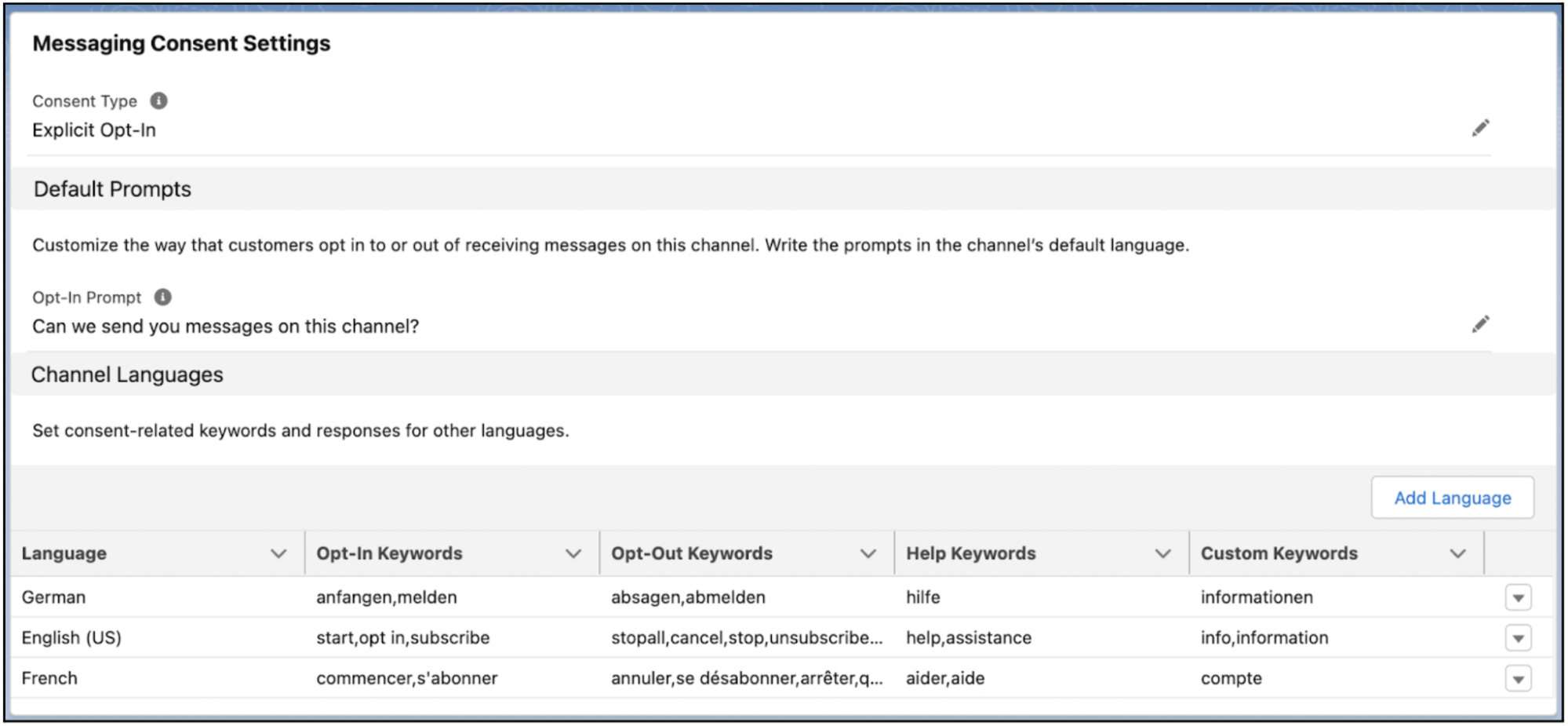
In enhanced messaging channels like Messaging for In-App and Web, you can choose whether you want customers to opt in explicitly. It’s a flexible setting you can configure depending on how strict you want to be with consent, and it’s a nice touch that respects your customers’ preferences.
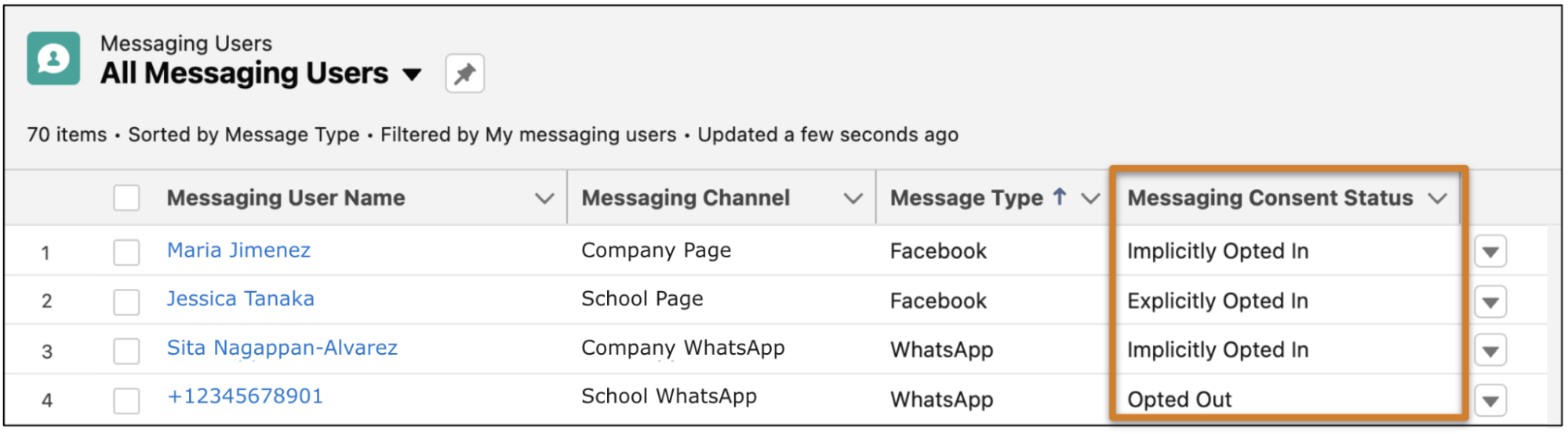
Customizing the consent settings for an enhanced messaging channel is as easy as going to the Messaging Settings page in Setup and clicking your channel’s name. From there, you can define the consent level required for each channel, write opt-in prompts, set up keywords for various actions, and even customize the automatic responses customers receive – even in multiple languages.
Automation and AI in Digital Engagement
At a time when AI is becoming more powerful and widely adopted, one of the biggest advantages of Digital Engagement is how it works hand-in-hand with automation and AI tools.
With Einstein Bots, you can set up conversational flows to greet customers, answer common questions, and collect information before passing the case to a live agent. As a result, the support team can handle a higher volume of inquiries while ensuring simple requests are resolved instantly. Each Digital Engagement license includes 25 bot conversations per user per month. Templates are also provided to help you get started.
As for automation, you can use Flow to build specific conversation routing – or even to create cases, update records, or trigger follow-up actions based on customer input. This helps processes run smoothly behind the scenes and gives customers the fast, efficient experience they expect.
Digital Engagement Channel Menu
A hidden gem of Digital Engagement is the ability to easily create a Channel Menu to use on your Experience Cloud site or public-facing website, so that your customers see all your channel options together in a component from which they can choose.
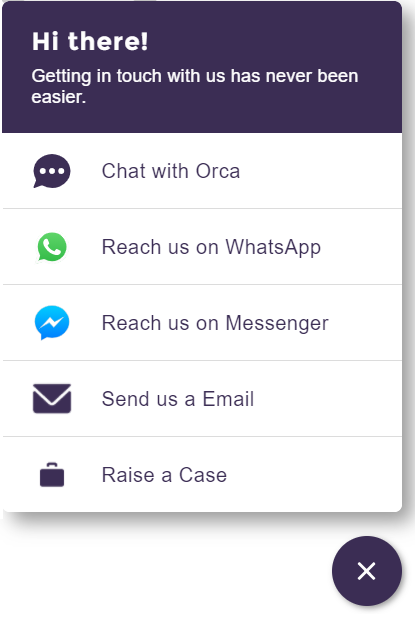
You can access this via Service Setup, along with Embedded Service Deployments.
Summary
Digital Engagement is undeniably a powerful tool, and if you know how to maximize it, you can significantly enhance both your customers’ and your agents’ experiences. When coupled with reports and dashboards, you can even give service managers a clear account of what is being said, along with key metrics such as the number of conversations. It can help service teams meet customers where they are – whether that’s messaging apps, SMS, or chat – all without losing the context or consistency Salesforce is known for.
Looking to get started? Be sure to explore Salesforce’s setup documentation or work with your Salesforce partner to tailor the solution to your business.





Comments: