

A couple of weeks ago, Salesforce launched a new freemium CRM entry point, Free Suite, designed to attract micro-businesses and early-stage founders to get started without having to spend a penny. At first glance, this presented an exciting opportunity for Salesforce to compete in the currently huge SMB market, which is an area that Salesforce has struggled to capture historically.
While this may sound like a big win, many across the Salesforce ecosystem were quick to point out that it does come with some significant limitations around accessibility and customization – limitations that, currently, may mean Free Suite is not a viable business solution for SMBs.
To explore this further, I spoke to several Salesforce industry experts about Free Suite – acknowledging what it brings to the table, where it still lacks, and what needs to be done in order to attract more customers going forward.
What Does Free Suite Actually Offer?
Salesforce’s Free CRM is designed as an entry point for very small teams, providing users with a feel for the Salesforce interface without any of the setup complexity.
It includes some of the core objects you’d expect – Accounts, Contacts, Leads, and Opportunities – along with the basic email functionality and a clean, simplified UI that closely mirrors Starter and Pro Suite.
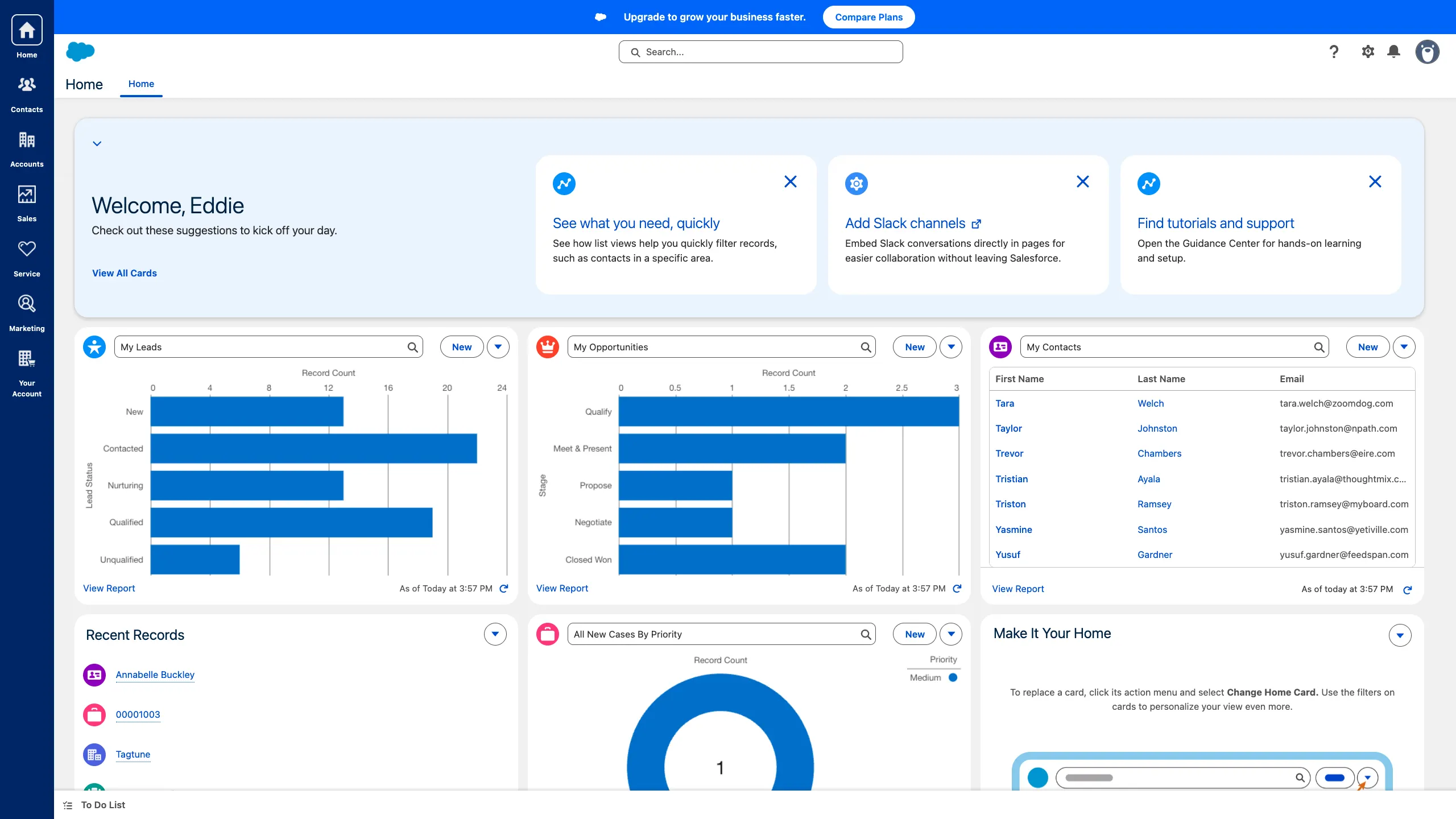
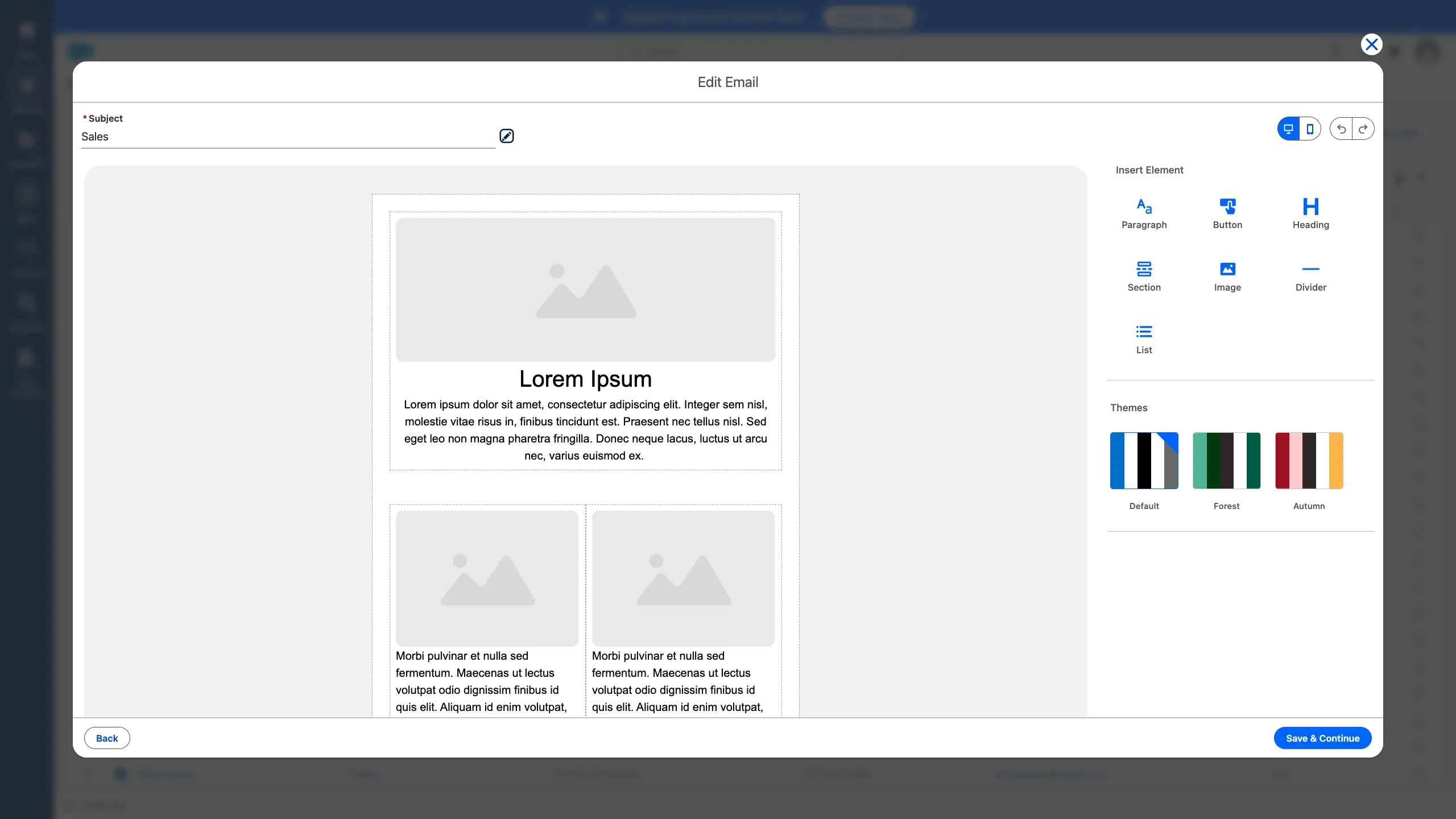
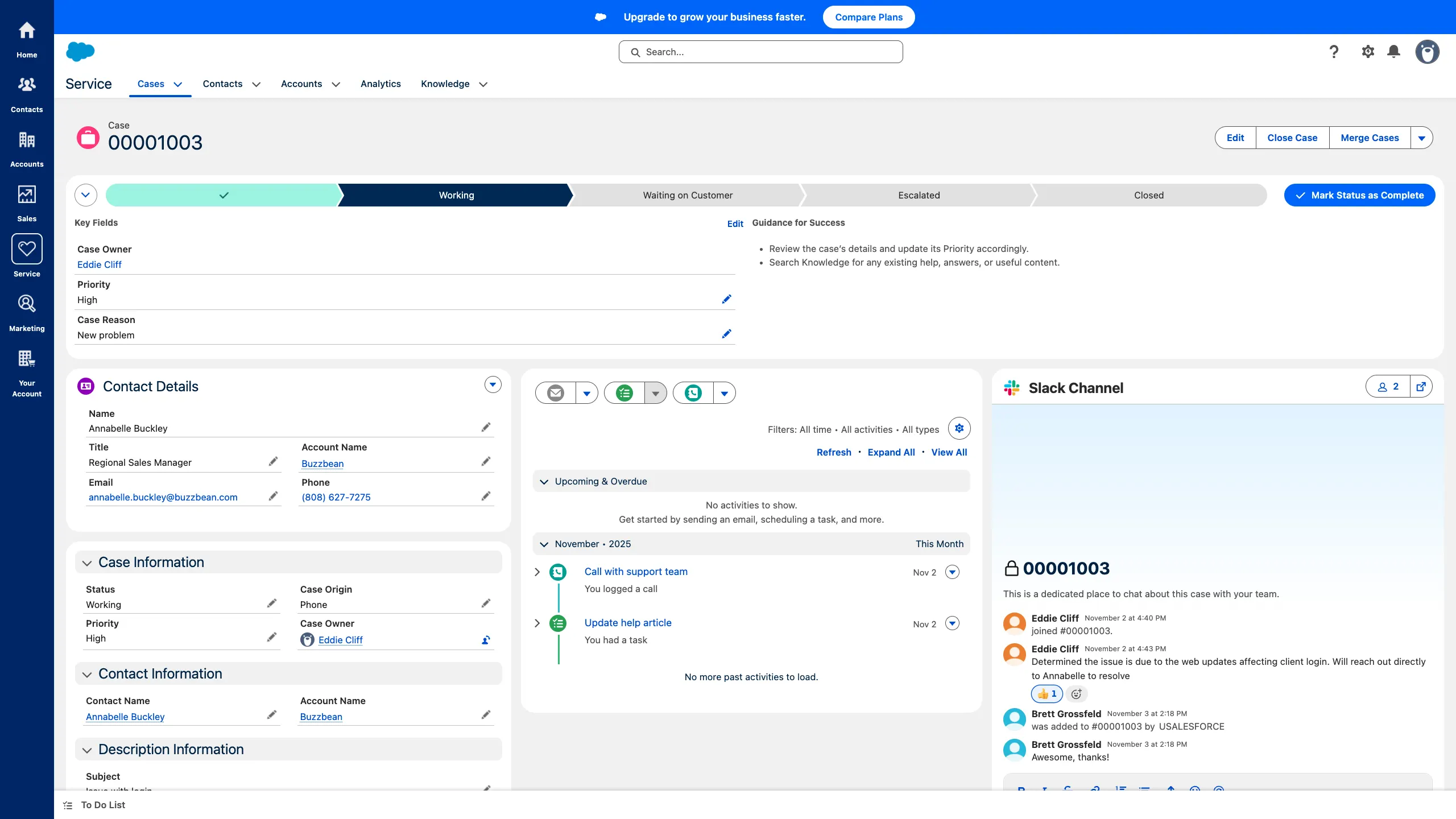
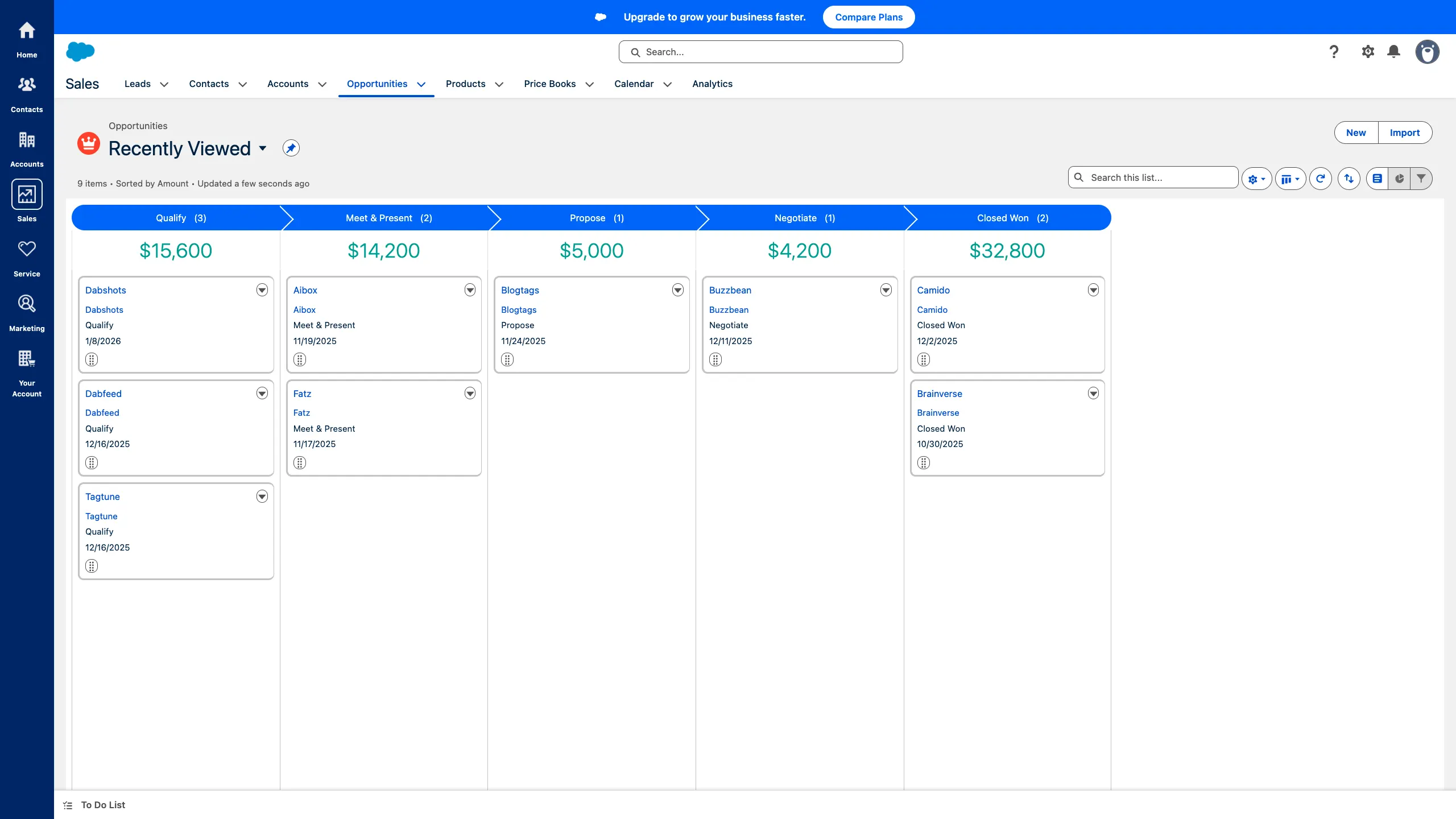
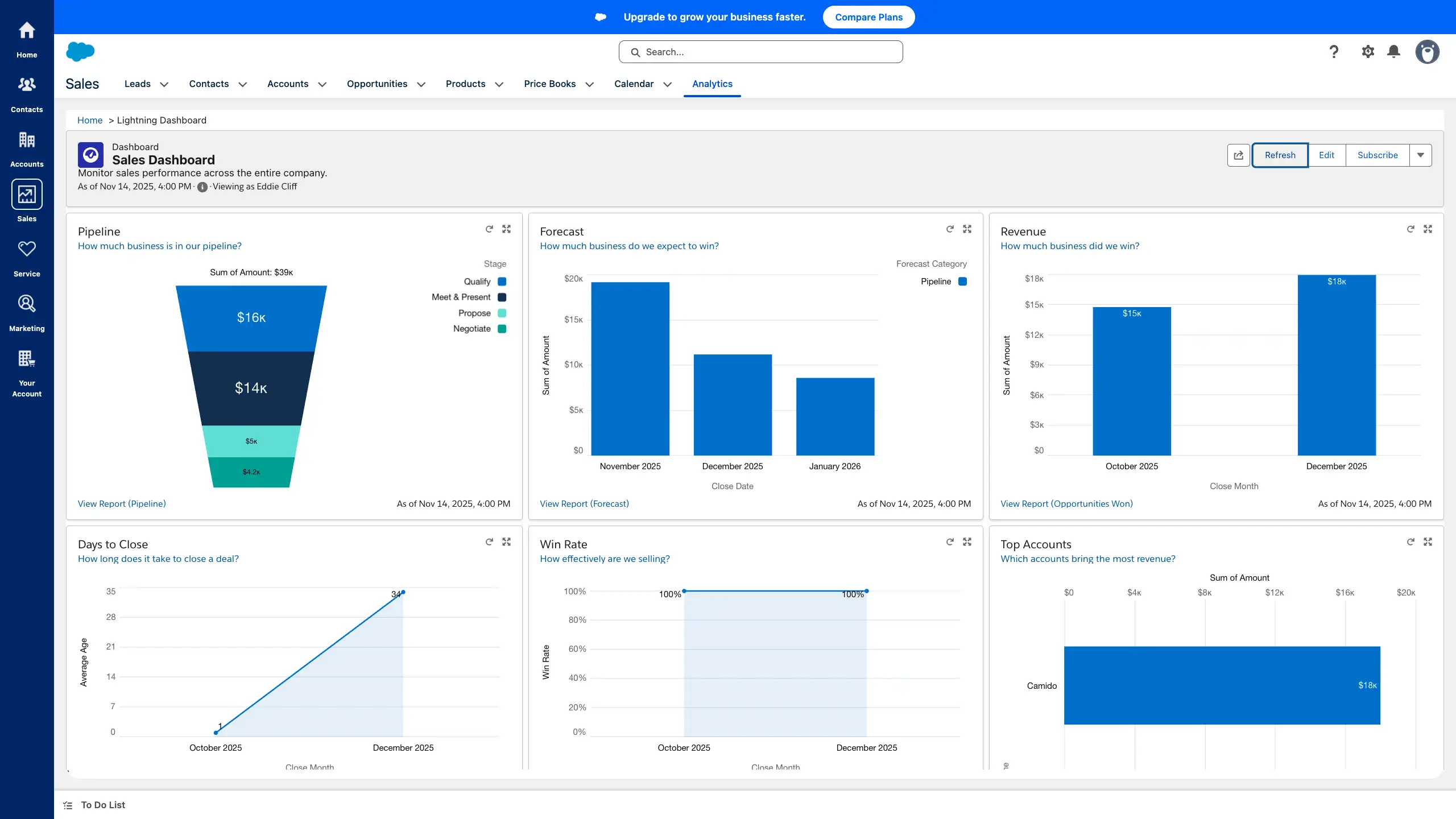
However, one thing that was quickly noticed about Free Suite is that it’s intentionally lightweight. It supports just two users, offers minimal configuration (limited fields, no custom objects), and removes almost all automation features. Even Flow Builder and the full setup menu are absent.
For founders who simply want to explore Salesforce’s look and feel, it serves as a decent starting place. But for teams hoping to understand what the platform can really do, it stops short of demonstrating Salesforce’s full value.
The Limitations – And Why They Matter For Startups
Once you spend time with Free Suite, its biggest current challenge becomes much clearer – by removing many of Salesforce’s strengths, it risks underselling the platform it’s trying to introduce. Here are some key aspects that stand out.
1. Customization Is Almost Non-Existent
One of Salesforce’s core value propositions is flexibility with your CRM, and having the ability to shape it around your business rather than the other way around. With Free Suite, it feels as though a lot of that flexibility isn’t there.
I recently spoke to Danny Gelfenabum, Head of Delivery at Bkonect, who recently shared a short Free Suite demo on LinkedIn. Danny also expressed that this lack of flexibility impacted the overall experience.
“It feels to me like it stripped everything good about Salesforce in that edition,” Danny explained.“There’s almost no customization – you can create a bunch of fields on limited objects and you can modify the opportunity stages, but other than that, I don’t think there’s any customization.”
As Danny said, you can add some fields, but that’s as far as you can go – no custom objects, no deeper configuration, and subsequently, no real sense of the platform’s capability.
2. The Absence of Automation
Salesforce has long been synonymous with declarative automation – think flows, triggers, routing, and so on. But in the free edition, automation simply isn’t an option.
“I saw before spinning up an org, you are limited to five flows per org. I wanted to test that, but there’s just no flow in the setup,” Danny claimed. “The setup section doesn’t exist.”
For the majority of potential startups, even basic automation tools (e.g. assigning leads, sending follow-ups, updating stages) are basically must-haves. Without it, Free Suite looks like more of a simple contact tracker than being representative of the broader platform.
3. The Two-User Cap Narrows the Audience
I’d argue that this might be the most restrictive aspect of all. Even tiny startups will usually begin with a founder, a co-founder, and someone operational – three people at minimum. So, is narrowing to two users really feasible for even the smallest of teams?
Danny said: “They limit the number of users and the functionality… they’re not showing its capability.
“What kind of startups is Salesforce trying to reach with just two people? Early AI startups? Someone who just wants to move away from a spreadsheet? It’s not small business, it’s very small business.
“It’s kind of missing the point. Give them more functionality and show how flexible, dynamic, scalable, and integrated Salesforce can be.”
4. Competitors Simply Offer More in Their Free Tiers
Comparisons are always going to come into play in this conversation, and unfortunately, HubSpot, Zoho, and several open-source CRM tools offer:
- More users
- More automation
- More customization
- More integrations
All for free. Henrik Beckner, Co-founder of HubSpot Platinum Partner, RevHops, told Salesforce Ben that Salesforce may simply be too intricate in nature for it to succeed in the free option market.
“Salesforce is inherently quite complex, and it’s not meant for small companies. It’s meant for complex use cases, customization, and people who know what they’re doing,” Henrik detailed. “It’s an illusion to say you can use a dumbed-down version of Salesforce and be successful with it. Otherwise, you might as well use Notion, Monday, or even a spreadsheet.”
In essence, there’s a general feeling that Free Suite’s lack of functionality may not intrigue users as Salesforce may have hoped, and actually send them the other way.
Who Free Suite Does Work for and Where It’s Heading
Despite its limitations, Free Suite does have a place in the market, particularly for solopreneurs or founders who simply want to get a feel for the Salesforce interface before making any commitments.
It’s clean, lightweight, and easy to explore without the need to set up or dive in financially. For this audience, Free Suite is a safe test drive.
As Danny puts it: “Maybe the founder can play around and give it a go and then level up within a few weeks.”
Salesforce has also informed Salesforce Ben that the company has clear intentions to improve on Free Suite going into next year. We spoke with Eddie Cliff, Salesforce’s GM of Small Business, who hinted that more updates to Free Suite are on the way. If even modest automation or customization is added, the product instantly becomes a lot more practical.
But ultimately, the purpose of Free CRM is quite straightforward – it’s an onboarding mechanism.
It’s likely that Salesforce isn’t really trying to replace HubSpot’s freemium model or build a fully featured free-tier CRM. Instead, it’s trying to give early users a simpler entry point and a chance to build at least some familiarity. The expectation then is real value, where these users move into Starter, Pro, and beyond.
In that sense, Free Suite does its job and opens that door. What comes next depends on how quickly Salesforce can strengthen the experience enough to make stepping through that door really worth it.
Final Thoughts
Free Suite isn’t the solution for every startup just yet, but it definitely opens the door to Salesforce in a way that hasn’t existed before.
Right now, it’s probably best suited to founders exploring their options, with the real power and resources sat behind the paid editions. If Salesforce continues to build on Free Suite’s foundation in 2026 as suggested, it could become a far more compelling starting point to consider.